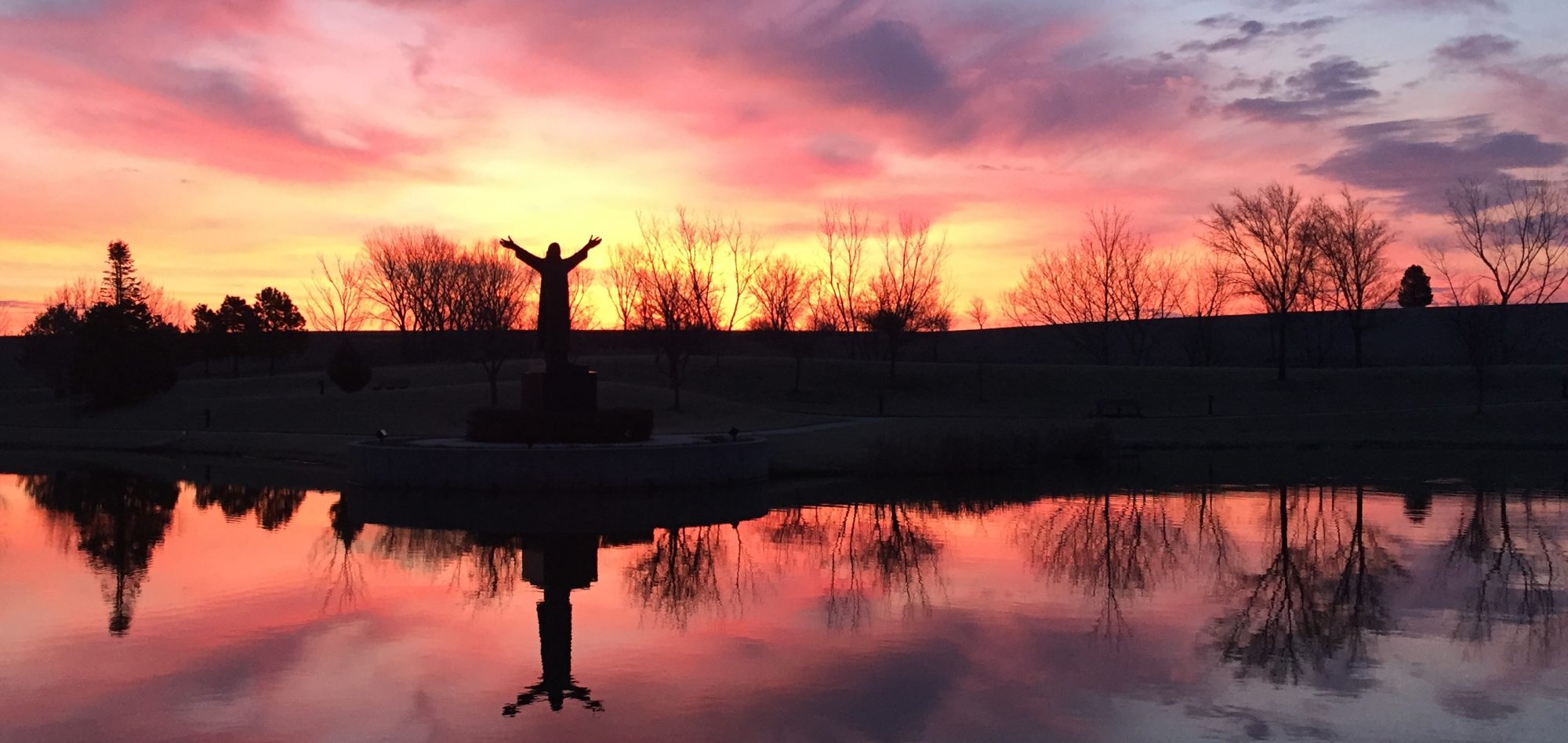

The Wilderness Way
Then Jesus was led up by the Spirit into the wilderness to be tempted by the devil.[1]
When I was in my late-twenties I purchased 10 acres of remote, wooded land and moved a trailer onto it as my home. I had to tame the area enough to clear space for a driveway, the trailer, and a few other human necessities, but it remained mostly wild and mysterious. My mom and step-dad described my homestead differently, telling me once, “We like the way you appear to like it here.” And I did like it there. I felt a distinct presence, a closeness to something greater than myself, that I did not feel elsewhere. Actually, closeness may not be the best descriptor of how I often felt. Oneness and belonging describe my most grounded times; loneliness, confusion, and separation at other times. Countless powerful emotions and experiences were granted to me there (unaided by alcohol or drugs), and I now see that time as a significant experience of transformation, an initiation into and preparation for a new chapter in my life.
I remember experiencing a powerful Kansas thunderstorm in my trailer. It was much more than rain pounding on the thin roof, lightning bolts crashing around me, and thunder rattling the walls. What I experienced was the essence of the storm – its wild, untamed, domineering heart. I felt its center move by, reverse course, and move again over the feeble tin can I called home as if to make certain I noticed it noticing me. I was frightened, yes, but I was also humbled and felt spared as it passed me by. I was at the mercy of an unfamiliar force over which I had no control and could not escape, and to experience it and survive was pure grace.
On the east side of the driveway of our home today is about 40 acres of similarly overgrown, forested wilderness. Except for the diverse species of wildlife making a home there, and except for a trail I have cleared into it and wander occasionally, the area is devoid of human visitation or habitation. I find it beautiful and intriguing. I also find it awe-inspiring and more than a little unsettling. Like all wilderness areas, it commands a certain level of respect. As soon as I get too comfortable in believing I know such a place or that I am in control or that I am somehow superior to instead of a small part of a greater whole, the spirit of the wilderness reminds me it is not so.
The author of the book of Proverbs wrote, “The fear of the Lord is the beginning of knowledge…”[2] I doubt the author meant fear in the same sense we do today, as in being afraid of the Lord. This fear refers to an orientation of respect and humility – the experience of being a part of or a witness to something unfathomably beyond yet inclusive of our singular selves. When we believe we know something or someone well, our desire to continue learning wanes. In truth, the more we truly know about something, the less we understand because getting a sense of the vastness of anything humbles us. No,the fear of the Lord this author refers to is more like the experience of standing at the edge of the Grand Canyon. It makes us feel ridiculously small yet intimately connected at the same time. We get comfortable or too casual at our own peril. Such experiences invoke a holy reverence in us, and the appropriate response is one of silence and speechlessness. And that is the essence of an experience of wilderness. The knowledge gained from this sort of fear of the Lord is not intellectual knowing but an entering into a Divine mystery.
Dictionary.com describes wilderness as “a wild and uncultivated region,” using terms like uninhabited, desolate, and barren. Wilderness usually refers to a heavily forested or a desert area. But a wilderness need not be a physical location. We are equally lost when finding ourselves in an emotional, social, or a spiritual wilderness where everything is unfamiliar, uncomfortable, and threatening to our status quo. Raising children, caring for a loved one, losing someone close to us, receiving a frightening diagnosis – all are wilderness experiences. And the wilderness experiences recorded in the Bible remind us we are not alone in our times of difficulty, suffering, and generally feeling out of control of our circumstances. A wilderness experience is not a destination or a final resting place but a necessary and temporary phase in our journey of spiritual growth and maturity. It was for the Israelites; it was for Jesus; and it is for us. When we recognize our involuntary challenges as such it can help give meaning and purpose to our difficulties, as I will continue exploring next week.
This is the 19th in a series titled Crucifying Christianity, Resurrecting the Way.Life Notes are my explorations into mysteries that interest me. They are not objective truths but invitations for readers to explore, too. Engage with me or explore contemplative spiritual direction at ghildenbrand@outlook.com.
[1] Matthew 4:1
[2] Proverbs 1:7
Discover more from Contemplating Grace
Subscribe to get the latest posts sent to your email.
 Contemplating Grace
One of your best posts. Really struck home so to speak. Peace-David
LikeLiked by 1 person
Thank you, David. I am pleased it struck you!
LikeLike